01
Studio
Recording, overdubs, vocal work, editing and a serious room in which to make the work.

In 2001, we were developing music in New York with a creative partner. Our founder had studied with Ron Carter and John Patitucci; our collaborator had played in Jackie Byard's band. Together, we found our way to a five-piece—bass clarinet, trombone, conga, upright bass and drums—that neither of us could have imagined alone.
We recorded at Strobert Studios in Brooklyn. We brought in music from the lineage we loved, including compositions by Sonny Rollins and Bobby Timmons, and built something distinctly our own around it.
The recording had a gravity to it. We could hear that it needed to exist in the world.
So we built a label around it.
We pressed the record, released it and played it live. Then life moved forward. The label quieted while the work continued elsewhere.
Years later, a studio of our own took shape. The work deepened. The room became a place for records, voices and ideas to develop without unnecessary friction.
Nue Note is back in Washington, DC—not as a resurrection of something lost, but as a return with more experience, better infrastructure and the same original instinct.
We're interested in records that have something to say, and in artists who want to build something real and lasting.
Before there was a label, there was a record. Before there was a business model, there was a group of musicians discovering that the right combination of people could produce something none of them could make alone.
That remains the basic idea behind Nue Note.
A five-piece. Brooklyn. Bass clarinet, trombone, conga, upright bass and drums. A record called Winds and Skins. The beginning of Nue Note Records.
Nue Note Studios is in Washington, DC—a focused recording and production environment for music, voice and spoken word.
The studio is intimate by design. The goal isn't to process artists through a facility. It's to give the work enough room to become what it is supposed to become.
Music, spoken word, narration, audiobook work, overdubs, editing, vocal production and the work that happens between an idea and a finished recording.
Work is primarily by invitation or referral.
Designed with a strict separation of pure-audio signal paths, isolated power conditioning, and high-end digital networking across four dedicated spaces.
The master command center housing the SSL 360° Hybrid console ecosystem, monitoring, DAW integration, and system routing management.
The primary tracking floor featuring the Kawai KG5 grand piano, supported by dual independent headphone monitoring feeds.
A dedicated rhythm floor optimized for the vintage Ludwig drum set, paired with specialized ddrum studio-class monitoring.
An ultra-low noise floor environment engineered for pristine vocal, speech, and audiobook capture.
All front-end gear, converters, and electronics are powered through an AnTek balanced isolation power supply, utilizing a heavy-duty toroidal transformer with a built-in Faraday shield to block common-mode noise and incoming AC line interference.
Traditional copper multi-core snakes are completely replaced by two specialized tiers:
Engineered for rapid, frictionless tracking sessions:
Optimized for pristine sonic capture, natural transients, and acoustic warmth:
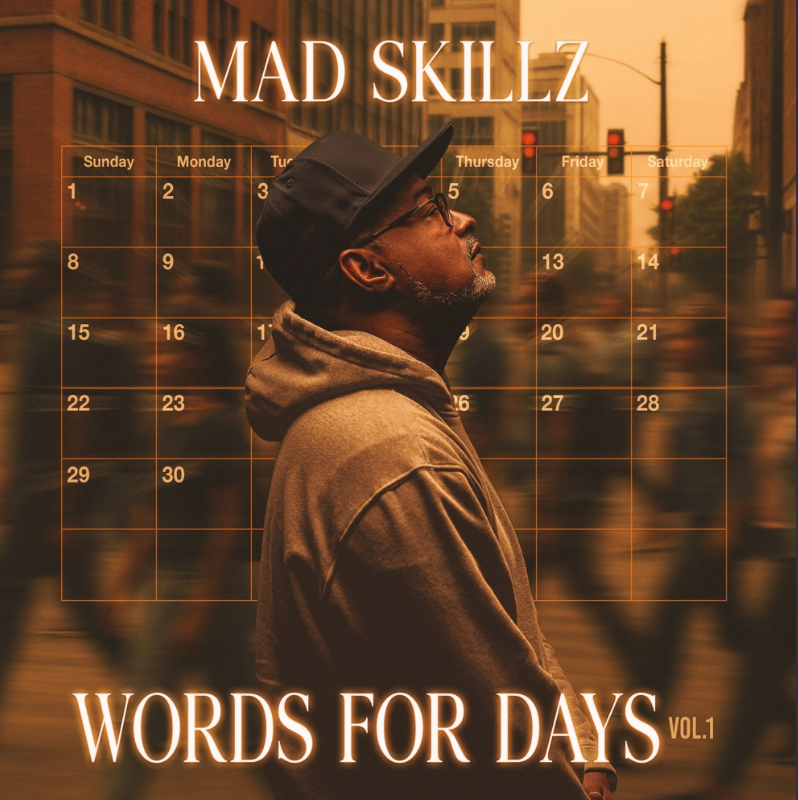
In 2025, Nue Note Studios contributed recording and production work to a project that went on to win a Grammy.
The work began simply: a young poet, a remarkable performance and a microphone in a room. We recorded and shaped the performance and delivered it into the production of the album.
The album was nominated. Then it won.
We are proud that Nue Note Studios is part of the story behind a Grammy-winning record.
The studio is part of the model, not the whole model. Nue Note provides the practical infrastructure required to move exceptional work from recording through release and into the world.
Recording, overdubs, vocal work, editing and a serious room in which to make the work.
Creative and technical production that serves the record rather than imposing a formula on it.
Practical pathways for getting finished records into the places where listeners actually find them.
Strategic guidance around the decisions that surround a release, without pretending every artist needs the same career plan.
Planning and support for taking the work beyond the recording and into live performance.
Thoughtful promotion designed to put the right work in front of the right people—not simply generate noise.
Nue Note isn't trying to build a roster for the sake of having a roster. We are looking for records with a point of view and artists who want to make something that lasts.
The studio and the label share an ecosystem. They do not share an obligation.
A relationship begins with the music, not with a generic submission funnel.
When Nue Note and an artist decide to work together, the relationship is built around three records rather than a one-release transaction.
Recording and production are developed with the artist, with the studio available as part of the infrastructure— not as a mandatory gateway to the label.
Distribution, positioning, promotion, touring and practical career guidance come together around the finished work.
Three records gives the artist and Nue Note enough runway to learn what works and build something coherent over time.
An artist may come to Nue Note to record and never have a label conversation. That's completely fine. The studio exists to serve the work. The label exists for the artists and records we choose to build with.
Nue Note work is primarily by invitation or referral. If you've been referred to us, tell us who sent you. If you're reaching out about the studio, a project, voice work or something else entirely, tell us what you're working on.
We read everything. We don't promise everything.
This area is for artists who are already in conversation with Nue Note. It explains how the label relationship works beyond the public-facing site.
Nue Note is intentionally small. The point isn't to sign as many artists as possible. The point is to put meaningful resources behind a small number of records and give those records enough attention to matter.
A Nue Note label relationship is structured around three records. That gives both sides enough time to make something coherent, learn from each release and build momentum without treating every album as an isolated transaction.
The three-record structure is designed for artists entering Nue Note's core artist relationship. It is not a statement about where an artist is in their career. An artist may be emerging, established or already highly accomplished and still enter through a relationship that fits this structure.
The important thing is that artists working within this tier receive the same fundamental commitment, infrastructure and economic progression. The starting point is about the relationship we are building—not a judgment about the artist.
The economics are designed to change as the relationship develops. Nue Note takes more risk early. As the artist builds, the artist's participation increases.
We fund recording, development, marketing and touring. Management begins immediately. Management compensation is deferred—that's our initial bet.
Your underlying participation in applicable live and merchandise revenue increases to 70%. You get to experience that improvement before the next management-fee economics take effect.
Your participation increases again to 75%. The progression recognizes what you've built.
Completing the initial three-record relationship creates an opportunity to decide what comes next. It is not designed as a forced exit.
If the relationship is working, we would much rather build something bigger together than simply walk away because a contractual term has ended.
The studio is not an audition room for the label. Using Nue Note Studios does not create an obligation or expectation that an artist will pursue a label relationship with Nue Note Records.
Likewise, an artist working with Nue Note Records does not have to use the studio for every piece of work. The goal is to use the right resources for the record.
Not every artist arrives at the same point in a career. If an artist's circumstances, experience, catalog, audience or trajectory call for a different structure, that conversation can happen.
The three-record relationship is our core framework—not a ceiling.
Specific economics, rights, schedules, budgets and contractual terms belong in the individual artist agreement. This page describes the philosophy and general structure of the relationship; the agreement governs the actual deal.